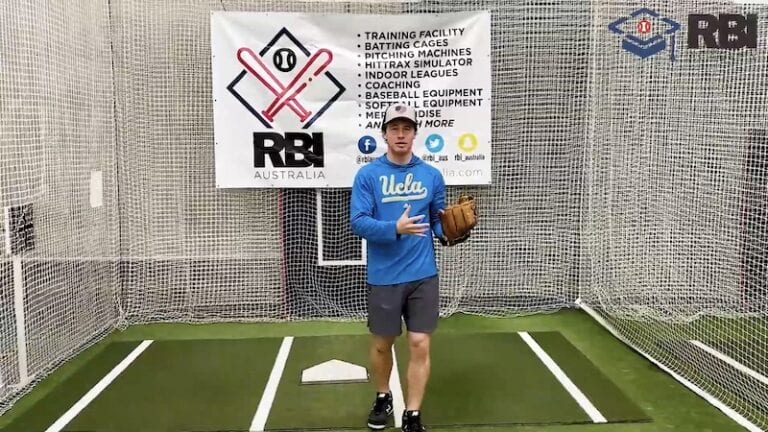

Inside the Game: Episode 12 How to Create a Welcoming Environment for New Players with Steph Lewer

Starting a new season is exciting — but for a child who’s never played before, walking into an unfamiliar team can feel daunting. In Episode 12 of Inside the Game, Matt Redman is joined by returning guest Steph Lewer to talk about one of the most important — and most overlooked — parts of junior coaching: building a team culture that makes every new player feel like they belong from day one. Whether you’re coaching T-ball, junior baseball, or youth softball, this episode is packed with practical advice you can use at your very next training session.
Welcome to Inside the Game
Inside the Game is RBI Australia’s podcast for parents, coaches, and players who want to understand the game better and help the next generation fall in love with baseball and softball. Whether you’re coaching a team at or watching your kid’s first T-ball game, this series is packed with practical, no-fuss advice from people who’ve been on the diamond for decades.
About Matt Redman, Steph Lewer, and RBI Australia
Matt Redman brings more than 25 years of coaching experience to every episode of Inside the Game. He’s worked across every level of the game — from T-ball and junior baseball right through to representative teams and senior leagues. His approach is always the same: keep it simple, make it fun, and build the game from the ground up.
Steph Lewer is a returning guest on Inside the Game and a respected voice in the Australian baseball and softball community. Steph brings a thoughtful, player-first perspective to team culture, inclusion, and the kind of coaching that keeps kids coming back season after season.
RBI Australia was founded in 2019 and has grown into one of Australia’s go-to destinations for baseball and softball — offering retail, training, and community programs from its locations in Smeaton Grange and Rouse Hill.
What to Expect in This Episode
Start by Getting to Know Your Players
Steph’s first piece of advice is deceptively simple: take the time to actually get to know the new players on your team. That means finding out where they’ve come from, why they chose baseball or softball, and what they’re hoping to get out of the season. It sounds obvious, but it’s a step a lot of coaches skip in the rush to get training underway.
Every player brings their own background, their own strengths, and their own complexities — especially across different age groups. A child playing their first ever season of T-ball has very different needs and expectations to a teenager stepping up to a new rep squad. The more a coach understands about who their players are as individuals, the better positioned they are to get the best out of each one.
- Ask new players why they chose baseball or softball — their answer tells you a lot
- Find out what they want to achieve from the season, not just what you want to achieve as a coach
- Recognise that players across different age groups bring very different expectations and experiences
Set Goals Together — and Revisit Them Mid-Season
One of Steph’s standout tips is using Australia’s unique baseball season structure to your advantage. Because the season runs from the end of one year into the start of the next, there’s a natural midpoint — a perfect opportunity to set an initial goal, reflect on progress, and then set a new one.
Goal-setting does two things at once. It gives players something concrete to chase, which keeps motivation high throughout the season. And it opens up a genuine conversation between coach and player about what matters most to them. That kind of one-on-one attention goes a long way in making a new player feel seen and valued — not just part of the group, but an important individual within it.
- Goal-setting keeps players engaged and gives coaches a framework for individual conversations
- Use the Australian season structure (end-of-year to start-of-year) as a natural goal-setting checkpoint
- Set an initial goal early in the season, then revisit and reset after the mid-year break
Build Inclusion Into Training — Not Just Around It
A welcoming environment isn’t something that happens by accident. Steph emphasises that coaches need to be deliberate about how they structure training so that new players are integrated into the group — not left on the outer while established players gravitate to their existing mates.
Pair work is one of the most effective tools here. Mixing up pairings so that new players work alongside different teammates means they get to know more people, more quickly. It takes the pressure off any one player to “adopt” the newcomer, and it spreads the responsibility for inclusion across the whole group.
- Deliberately pair new players with different teammates across training sessions
- Don’t leave integration to chance — build it into the structure of your drills
- Make it clear to existing players that welcoming new teammates is part of what being a good team member looks like
Don’t Forget the Sideline — Parents Matter Too
This is the piece of advice that catches a lot of coaches off guard, but Steph makes the case clearly: when you’re working with juniors, the team culture extends beyond the players on the field. The sideline — meaning the parents — is just as important.
As Steph puts it, a team can be made or broken on the sidelines. A cohesive, positive group of parents who understand how to support the team creates an environment where kids feel safe, encouraged, and proud to be there. A fractured or uninformed sideline can undermine everything a coach is trying to build on the field.
That means coaches need to invest in the parents too — welcoming them, helping them get to know each other, and being clear about the expectations for how they conduct themselves during games and training. It’s not about policing behaviour; it’s about building a community.
- Make parents feel welcomed and included from the very first session
- Help parents get to know each other — a connected sideline supports a connected team
- Be clear about how you’d like parents to conduct themselves at games — frame it as building a team community, not setting rules
Why This Approach Works
Steph’s advice sits on a simple foundation: kids play better, stick around longer, and enjoy the game more when they feel like they belong. Inclusion isn’t a soft skill on the side of real coaching — it is real coaching. The teams that last, the players that develop, and the seasons that are remembered are almost always the ones where the culture was right.
The practical steps Steph outlines — knowing your players, setting shared goals, structuring inclusive training, and investing in the parent community — are all ways of building that culture intentionally rather than hoping it happens on its own.
- Belonging drives engagement — kids who feel welcome show up, try harder, and stay in the game longer
- Inclusion has to be designed into training, not left to chance
- The whole club environment matters — players, coaches, and parents all contribute to the culture
Key Takeaways from This Episode
- Take time to genuinely get to know new players — their background, motivations, and goals
- Use goal-setting at the start of the season and again at the mid-year break to keep players engaged and feeling valued
- Structure pair work and drills so new players mix with different teammates — don’t leave integration to chance
- Make welcoming new players a team-wide responsibility, not just the coach’s job
- Invest in the parent sideline — a cohesive group of parents can make or break a team’s culture
- Be clear with parents about expectations — frame it around building community, not enforcing rules
Subscribe and Stay Connected
If you’re a parent, coach, or player looking for simple, practical ways to improve and enjoy the game, Inside the Game is here to help.
👉 Listen Now: YouTube Spotify Apple Podcasts
👉 Visit RBI Australia:rbiaustralia.com.au
Stay Tuned for More
Whether you’re revisiting this episode or diving into the series for the first time, there’s plenty more to explore across Inside the Game. Future episodes will cover fielding drills, batting fundamentals, and how to keep training sessions fresh and engaging for junior players. We’d love to hear from you in the comments — especially if you’ve got a favourite way to teach force plays to young kids.
New to the podcast? Start with Episode 01: Introduction to Matt Redman and RBI Australia.
Listen to the previous episode, Episode 11: Types of Outs And How to Make Them
Future episodes of Inside the Game will continue to break down hitting, throwing, fielding, and mindset in a way that helps young players grow and enjoy the game.
Train smart. Play hard. Keep growing the game.
Frequently Asked Questions
How do I make new players feel welcome at T-ball or junior baseball?
Start by taking time to get to know them as individuals — ask them why they joined and what they’re hoping to achieve. Then build inclusion into your training structure by mixing up pair work so new players connect with different teammates. Don’t leave integration to chance.
Should coaches set goals with junior baseball players?
Absolutely. Setting individual goals gives players something meaningful to chase and helps coaches understand what matters most to each player. In Australia, the baseball season runs across the year-end break, so there’s a natural mid-season checkpoint to review goals and set new ones — a great tool for keeping motivation high.
How can coaches manage parent behaviour on the sidelines?
The most effective approach is to be proactive rather than reactive. Welcoming parents into the team community from the start — helping them get to know each other and being clear about expectations early — creates a positive sideline culture before any issues arise. Frame the conversation around building a supportive club, not around rules.
Why is team culture so important in junior sport?
Kids who feel like they belong play better, try harder, and stick with the sport longer. A strong team culture — where players feel welcomed, valued, and part of something — is one of the most powerful factors in long-term development and retention in junior baseball and softball.
How do I help new players integrate with an established junior baseball team?
Use structured pair work and small group drills to mix new players in with different teammates across multiple sessions. Make sure existing players understand that welcoming newcomers is part of being a good teammate. The responsibility for inclusion shouldn’t fall on the new player — it should be shared across the whole group.